- Mezcalistas
- Posts
- Mezcal Is Not Simple. It Never Was
Mezcal Is Not Simple. It Never Was

SUSAN COSS
April 02, 2026

 | All the mezcal news you need to know |
Mezcal… It’s Complicated
Two years ago in Durango, Joahna, Mariana and I stayed up till the wee hours of the night talking about complicated issues in the world of mezcal and how to write about them. Foreign ownership, environmental costs of mezcal production, economic disparities, and the costs and benefits to mezcal producing communities. Part of that latter topic dealt with imbalances that had been created in heavily Indigenous communities and how that was disrupting a system of Usos y Costumbres, the uses and practices that “signify rules, rights, and obligations practiced habitually and accepted within a specific community, rather than written law.”
Usos y Costumbres is completely at odds with the modern economy. It’s steeped in the idea and understanding that to be in community requires service, consensus decision making and responsibilities acquired over time. There is no payment for service. And it is deeply ceremonial. The challenge in writing about Usos y Costumbres is how not to paint it in nostalgia but to engage with them honestly, which is a minefield of layered complexities, especially for those of us who live so outside of communities where it is still practiced. Since that night in Durango, the three of us have continued the conversation about this topic and after a trip to Oaxaca in January, Joahna felt read to dive in. The result is this incredibly poignant and in depth exploration of lifeways, both ancestral and modern and how they can be a roadmap for the future. And most importantly, it does not shy away from the complexities.
And there are so many. Mezcal, and agave spirits in general, have become extremely photogenic social media material and that has a cost. It flattens. A spirit that is inseparable from land, from the quiet weight of unpaid communal obligation, from ceremonies most of us will never witness, gets reduced to vibes. I don’t think people are being malintended when they reduce mezcal to what feels like a checklist — pic of agave field, small producer, tahona, check. It's that complexity is genuinely hard to hold, and the formats we use to talk about things online are architecturally and algorithmically designed to shed it. When we skip past the hard parts — the Usos y Costumbres being strained by outside forces, what is lost when a practice becomes a product for example— we're not just being intellectually lazy. We're participating in the same erasure we think we're celebrating our way around.
There is nothing simple or black and white about mezcal, and it is why I (and everyone here at Mezcalistas) love writing about it. Joahna's piece doesn't offer a clean takeaway. It asks you to sit with something unresolved, the way the communities at its center have had to. I hope you'll give it the time it deserves.
We’ve got a few other pieces that also don’t shy away from complexity. New contributor Ernesto Vargas Mendoza explores the impact of lists like The World’s 50 Best Bars on not only bars, but also on distillates themselves. Anna Bruce has a profile piece on mezcalera Angélica García Vásquez that wrestles with the existential question of what it means to be a mezcalera. We also have a new piece from Laurel Miller that explores bar programs that are bringing some Pre-Hispanic ingredients to the forefront of their cocktail programs. And finally we have two new pieces from Tess Rose Lampert, a Mexican rum and cheddar cheese pairing and a DIY tequila tasting.
These recent stories were made possible by the generous support that many of you readers made in January. Thank you so much for helping make complex story telling possible!
Saludos,
Susan & the Mezcalistas team
MEZCAL NEWS
MEZCAL EVENTS
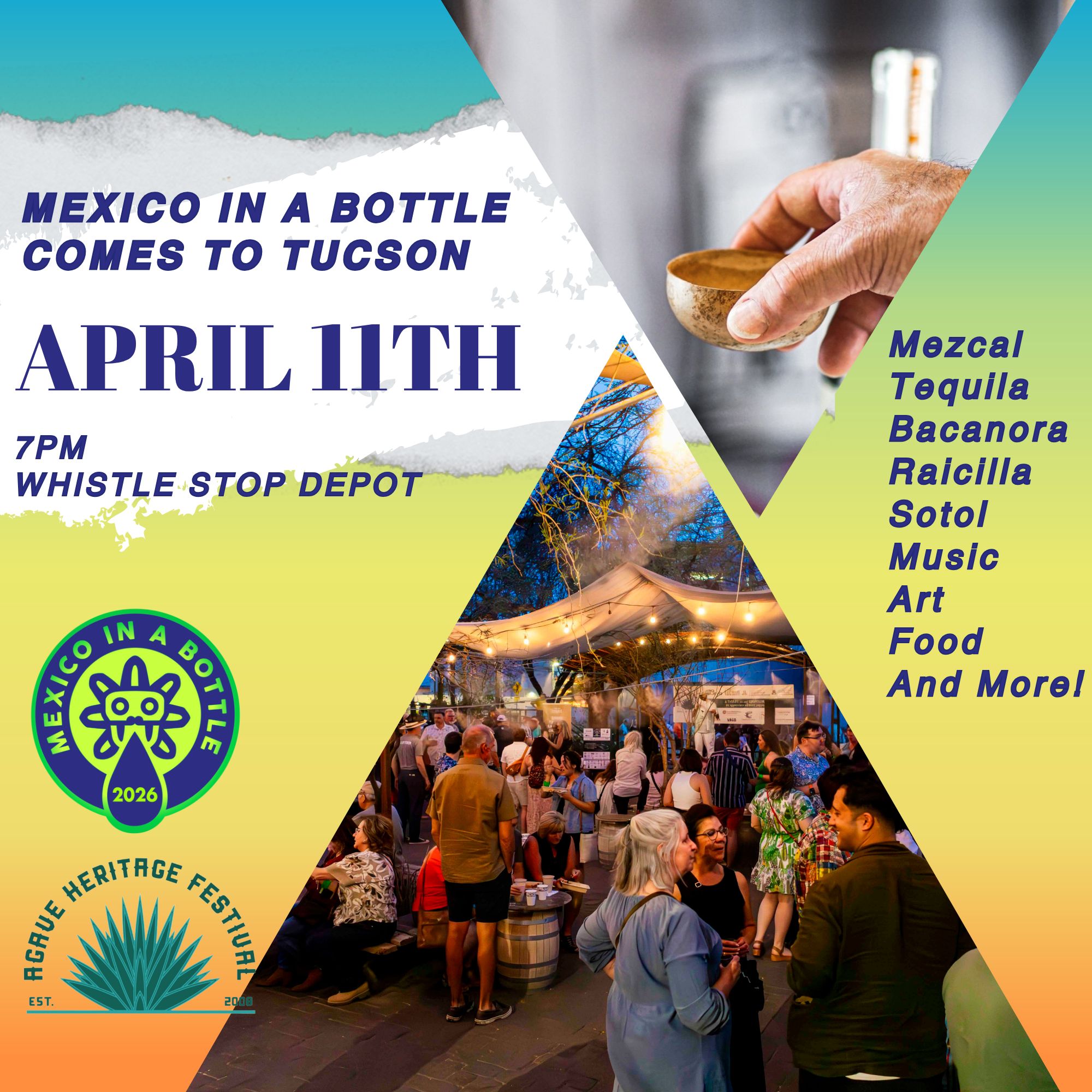
Save the dates: Mexico in a Bottle October 4th, San Diego, November 8th, San Francisco