- Mezcalistas
- Posts
- Agave and Earth Day
Agave and Earth Day

SUSAN COSS
April 23, 2026

 | All the mezcal news you need to know |
It’s all about the agave, or is it?
Earth Day 2026 felt quieter than it should have. A Google doodle, some social media posts — and that was about it. I kept thinking about what the day might have felt like if the Artemis II images of Earth from lunar orbit had landed this week instead.
I've been sitting with Earth Day more than usual this year, partly because of a piece AP published last month on the environmental toll of mezcal's surging demand. It frustrated me — not because the story was wrong, but because it felt five years too late. The reality is that mezcal demand has been flat for a while now. The growth was real — 20% plus year over year beginning around 2014, then that pandemic spike — but that wave has passed. I remember standing in San Luis del Rio in 2022, genuinely shocked by how much agave had been planted, hillsides stripped of everything else. That agave has now matured into a market where espadín fetches around 1 peso per kilo and buyers have disappeared. The story that matters to me isn't what happened — it's what comes next.
Felisa Rogers was also struck by the article and has this terrific new piece on what she thought the story missed—hope. Because there are so many projects that have been underway for years, decades in fact, that give a tremendous amount of hope for what does happen next.
Because the larger picture is genuinely sobering. Climate change is accelerating in ways that are hard to fully absorb. Warming oceans are disrupting currents and trade winds, which are reshaping weather, which is shifting where crops can grow, which is moving people. Forecasters are now warning of what could be the strongest El Niño on record — and no one yet knows what that will mean in practice. More floods? Deeper droughts? Displaced harvests and communities? Some of what's coming we can prepare for. Some of it we're still trying to name.
For those of us in agave spirits, that means grappling seriously with the long-term viability of the plant itself, and the traditions built around it. I thought about this constantly at this year's Agave Heritage Festival, where the conversations about cultivation — in Mexico and in the US — were some of the most important, and most uncomfortable, of the week. Those conversations have to keep happening. Given what's at stake for both plant and people, we need to find common ground and take action.
Also in this issue: Anna Bruce heads into Guerrero, Felisa on three tequila blancos worth knowing, Omar Muñoz explains the Refrescadera still, Tess Rose Lampert creates a tequila martini that focuses on vermouth and a new round of new tasting notes for Tequila.
Saludos,
Susan & the Mezcalistas team
MEZCAL NEWS

MEZCAL EVENTS

Photo by Anna Bruce
Beginning April 27th - Anthropology of Mezcal and Agave Spring Course (online)
Save the dates: Mexico in a Bottle October 4th, San Diego, November 8th, San Francisco
SPOTLIGHT: TEQUILA INTERCHANGE PROJECT
Last fall, I was invited to join the board of the Tequila Interchange Project (TIP) — and I'm still a little overwhelmed by the honor. This is an organization I've admired deeply since before Mezcalistas even existed.
Honestly? TIP is part of the reason Mezcalistas exists at all.
Long before tequila (and mezcal) became a regular part of a bar menu, TIP was on the ground in Mexico, taking bartenders on hands-on trips, teaching them to taste, ask questions, and care about what was in the bottle. Those bartenders built agave programs. Those programs built awareness. That awareness is why you're reading this newsletter right now.
TIP put bats on our radar. It made "sustainable" and "traditional" more than buzzwords in our industry. It raised the bar — quietly, consistently, for over a decade.
And here's the thing: that work is more urgent now, not less. As agave spirits boom in popularity, the need for honest education and professional development has never been greater. TIP has been doing this since 2010, and it still runs entirely on the support of people like you — no brand sponsorships, no government funding. Just individuals, hospitality organizations, and grants keeping the mission alive.
That's why I'm asking you directly: please consider becoming a sustaining supporter through this new program TIP launched to make it easier than ever to give. Join me in making sure this invaluable work continues.
Women-led adventures that make a difference
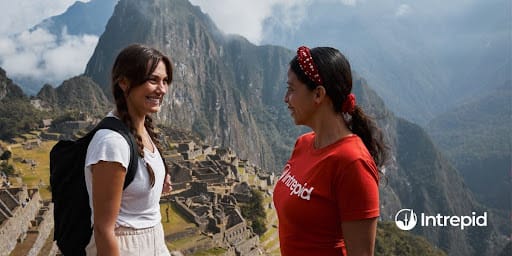
Intrepid has launched three new Women’s Expeditions in Peru, Bhutan and Cambodia – created exclusively for women travellers. Expect immersive adventures that break down barriers and connect you with local communities, from trekking the Peruvian Andes to a women-run tuk tuk tour in Cambodia and a traditional hot stone bath experience at a women-owned farmhouse in Bhutan.